

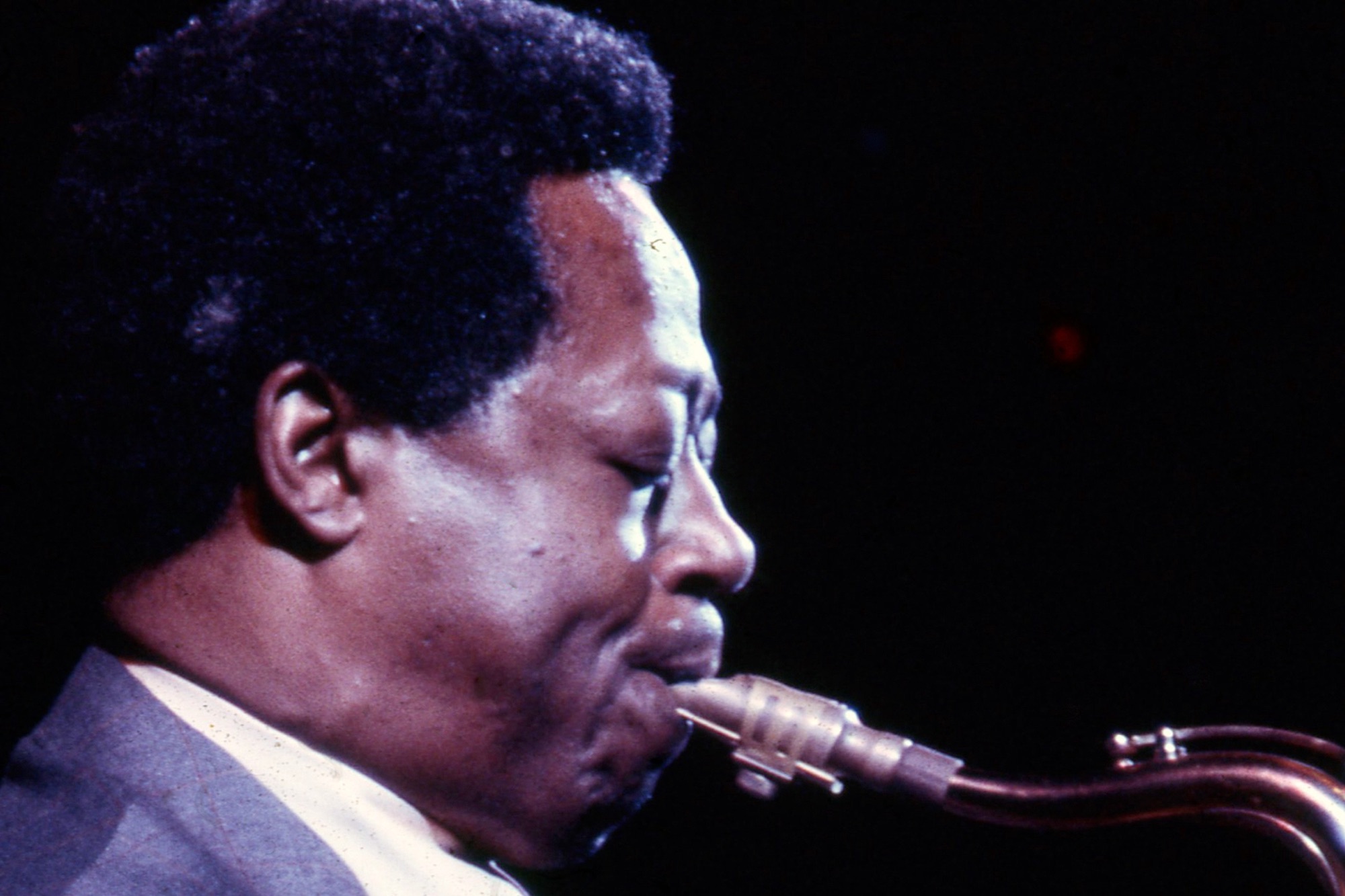

This is the year that some of us learned that tenor saxophonist Charlie Rouse was a leader of other bands rather than simply a member of Thelonious Monk’s quartet. Earlier this year, Strata-East reissued 1974’s guitar-driven, funky Two Is One (Mack Avenue, 2025). Now comes Cinnamon Flower: The Expanded Edition (Resonance, 2025), a double LP set of Rouse leading a Brazilian band, building upon the original 1977 release. The album is a limited-edition release, with only a thousand copies pressed to vinyl. The first LP is the originally released version of the album, while the second provides, for the first time, the music in undubbed form. The CD includes both versions. Given this re-release of Cinnamon Flower is out on Resonance – a label well-known for its extensive contextual packaging – the album includes voluminous liner notes by author James Gavin and a recollection by Rouse’s son, Charlie “Chico” Rouse Jr. As far as the music itself, Clifford Jordan, Rouse’s tenor peer, made a prescient prediction in 1988: “When someone dies, people stop and listen and realize that maybe he was a bit bigger than they thought. Now, people will start listening to Charlie Rouse.” Perhaps, as noted by “Chico” Rouse in the album notes, Cinnamon Flower was a little ahead of its time.

Cinnamon Flower was not Rouse’s first excursion into Brazilian music, having released Bossa Nova Bacchanal (Blue Note, 1962) about a decade and a half earlier. Originally, Cinnamon Flower was released by Douglas Records, the Casablanca imprint of producer Alan Douglas, who was known for adding instrumentation to posthumously released material by Jimi Hendrix. As such, you will see multiple players added to Rouse’s eleven-piece band, which included such talents as trumpeter Claudio Roditi, pianist Dom Salvador, bassist Ron Carter, and drummer Portinho. As if that was not enough, Douglas augmented the ensemble with soul drummer Bernard “Pretty” Purdie, keyboardist Roger Powell of Todd Rundgren’s Utopia, and trombonist Clifford Adams of Kool & the Gang. While the ensemble included tenor saxophone, trumpet, flute, two keyboardists, electric guitar, acoustic guitar, cello, bass, drums, and percussion, the album features different combinations of each by track. The album features seven tracks – each running four to six minutes – with some slightly longer in the undubbed version. The music fuses backcountry Brazilian rhythms with a rock steady foundation of R&B for an exceptionally vibrant sound. Salvador and acoustic guitarist Amaury Tristao composed most of the material, with Milton Nascimento contributing “Clove and Cinnamon.”
Opener, Salvador’s “Backwoods Echo,” a rousing and brassy burner, is the set’s most vibrant piece. The two Tristao pieces that follow are much different in terms of tempo and mood. His delicate acoustic guitar leads into “Disenchantment,” which also prominently features cello and flute. “A New Dawn” is an expansive, cinematic piece, showcasing strings and flute, with percolating percussion and short bursts from Rouse and Roditi, along with a vigorous solo by Rouse. Salvador’s “Quiet Pictures” flows gently with the whole ensemble at play, with the bandleader at the forefront of the horns.
Nascimento’s standout, “Clove and Cinnamon,” features punchy horns, bubbling percussion, and impressive rollicking piano. Tristao’s “Roots” builds to an animated piece with ensemble horn parts and thumping rhythms from drummer Portinho, who does it alone without a percussionist. Roditi takes a scorching trumpet solo. Salvador’s “Waiting on the Corner” is yet another bustling piece with strong contributions from the pianist, guitarist George Davis, and percussionists Steve Thornton and Carlos Martinez. The leader soars gleefully above the enthralling rhythms.
The “Sound Ideas Studio Versions” of each track are obviously a bit less cluttered, and about the same length as their other renditions, except for “Clove and Cinnamon,” which stretches out a glorious extra two minutes. Resonance founder and co-president George Klabin also added an unreleased bonus track to both LP and CD versions: “Meeting House,” written and performed by pianist Dom Salvador. It is a high-energy, uplifting piece imbued with congas and percussion, guitar, piano, and horns, though no personnel information is directly listed.
While Rouse is the leader on Cinnamon Flower, his playing is far from dominant. The sum here is much bigger than any individual part. Importantly, the album radiates unbridled energy and joy.
‘Cinnamon Flower: The Expanded Edition’ will be released on September 19, 2025 on Resonance Records. It can be purchased on Bandcamp.
Photo credit: Raymond Ross


